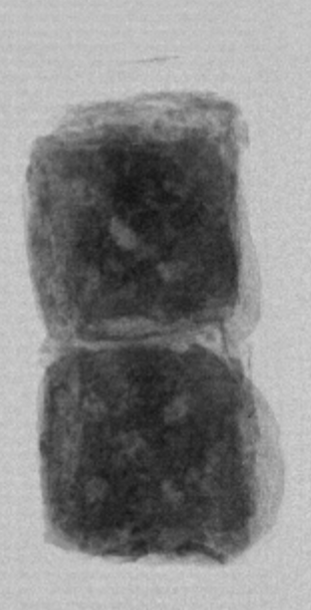
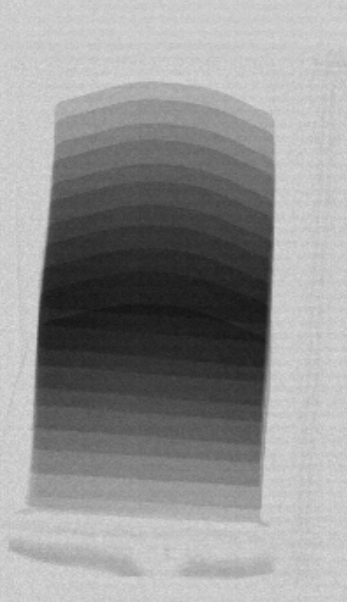
Review the evidence
Open the inspection image, highlighted condition, event reason, machine context, and available production metadata.
DAIRY & CHEESE
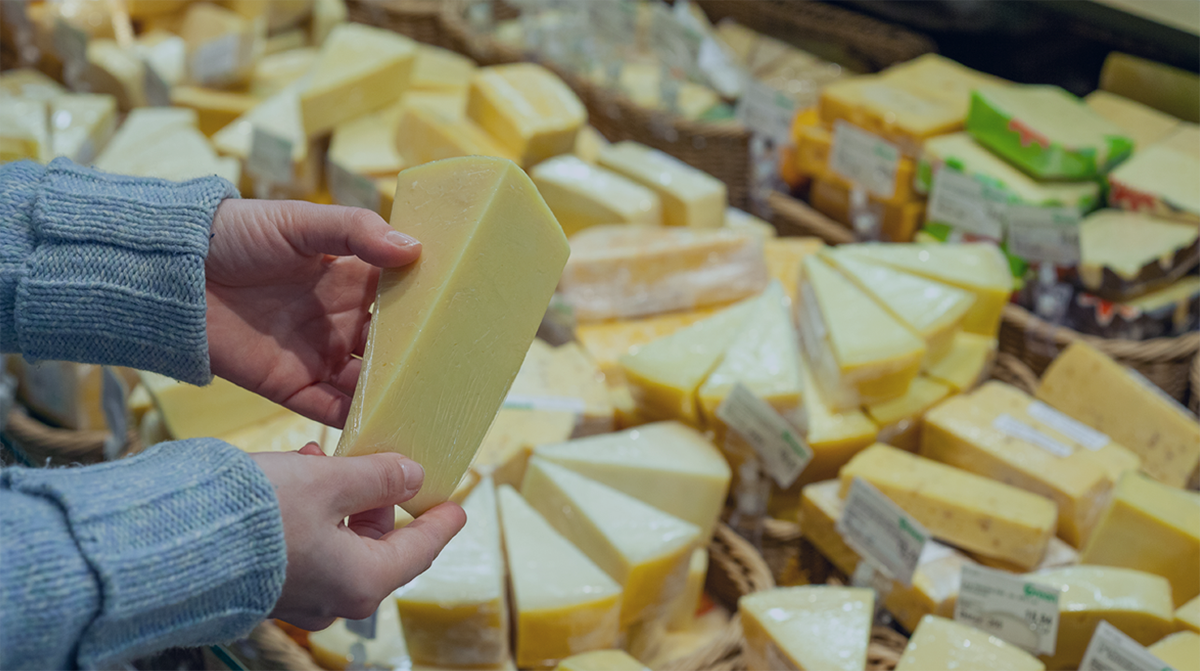
Blocks, slices, shreds, wedges, and packaged dairy products can vary in density, moisture, fill, shape, and presentation. GreyscaleAI combines high-resolution inspection, product-specific AI, and image-backed review so teams can investigate internal quality, product-in-seal events, weight and count signals, and recurring production patterns where the application supports them.
Internal structure
 Void and density review
Seal-region event
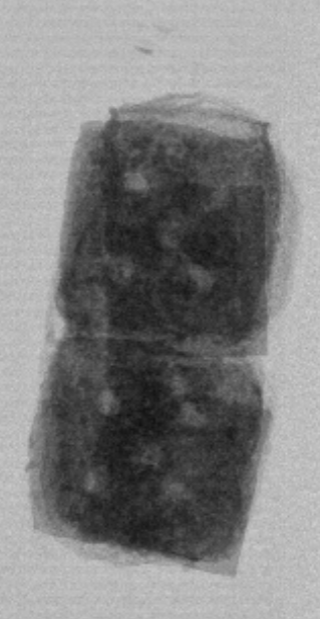 Product-in-seal review
PRODUCTION CHALLENGES
Density, moisture, thickness, internal structure, fill, seal geometry, and package construction can all change the inspection image. The right question is not only what condition matters. It is whether the product, package, target, and line conditions create a reliable application.
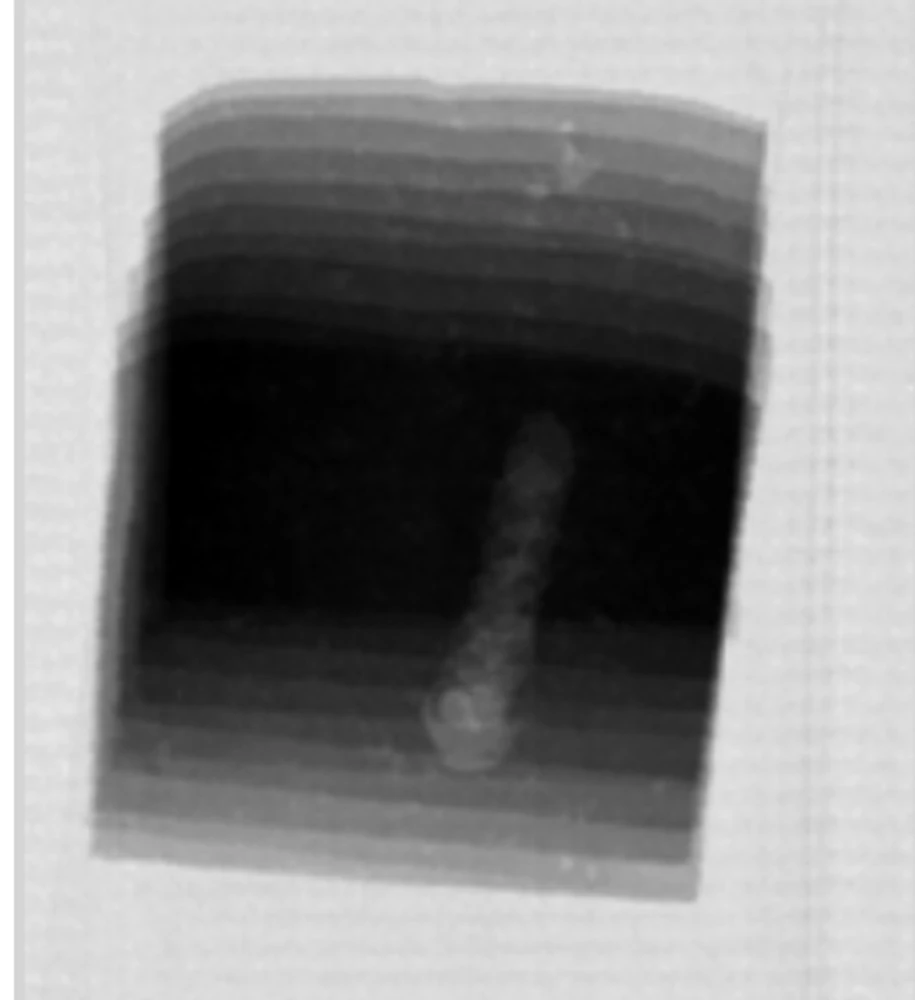
Review voids, holes, density pockets, torn edges, broken pieces, or malformed product where the image and product presentation support a validated model.
Explore Product Quality & Package IntegrityIdentify product presence in or near the seal area and compare the event with clean-seal and normal-variation images.
View Product-in-Seal Case StudyConnect estimated weight trends, overfill or underfill patterns, count or presence signals, and checkweigher events to the production record where validated.
Explore Weight & Count IntelligenceProduct thickness, moisture, density, package construction, and target material affect image contrast and must be reviewed before setting expectations.
Review Application Fit & ValidationRELEVANT APPLICATIONS
Start with the production question that matters most. Then review the inspection approach, system considerations, and validation requirements for your actual product, package, and line.
IS PRODUCT OR PACKAGE QUALITY STARTING TO DRIFT?
Review internal voids, density pockets, torn or broken product, missing components, fill distribution, and product-in-seal events as dedicated, image-backed quality signals where validated.
Explore the applicationIS GIVEAWAY, UNDERFILL, OR COUNT VARIATION DEVELOPING?
Review estimated weight trends, overfill and underfill patterns, count or presence signals, and checkweigher event context alongside the production record.
Explore the applicationDO PRODUCT DENSITY AND PACKAGE CONDITIONS SUPPORT THE TARGET?
Review metal, glass, stone, and other dense-material risks only where the product, package, target, and image contrast support a validated application.
Explore the applicationINSIGHTS FOR DAIRY & CHEESE
A quality or package event becomes more useful when QA can see the image, AI decision, event reason, product, package, line, lot, and review status together. Insights gives authorized teams a common place to review evidence, compare related records, and document follow-up.
Open the inspection image, highlighted condition, event reason, machine context, and available production metadata.
Look at related records by product, SKU, lot, line, shift, time window, result, or review status.
Record whether the event needs no action, rework, hold, packaging adjustment, supplier follow-up, or broader investigation.
ILLUSTRATIVE WORKFLOW
Workflow data shown for illustration.
SYSTEMS AND FIT
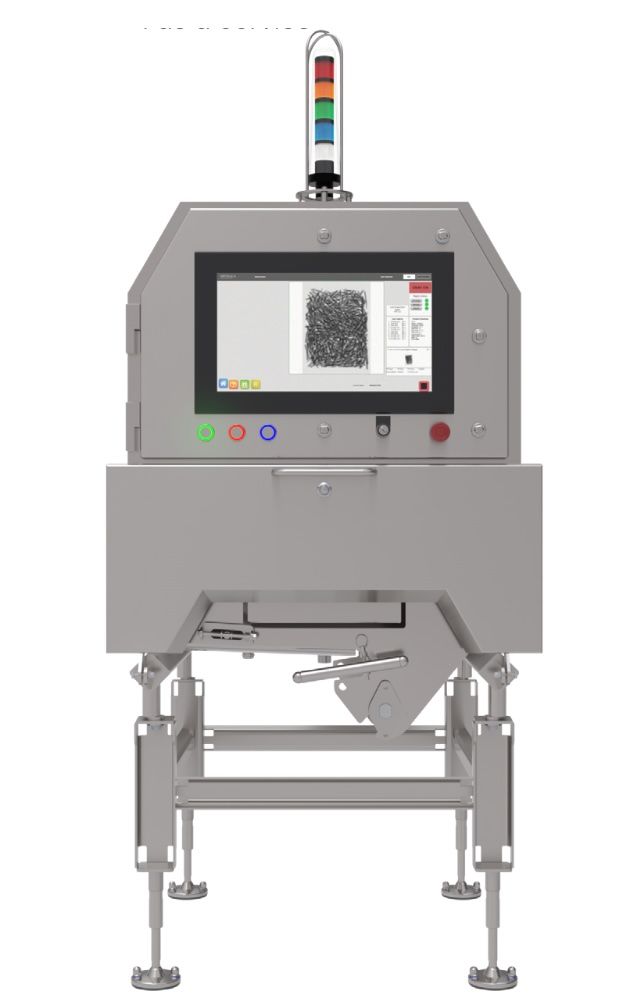
The right HRX configuration depends on product size, package type, aperture, conveyor, throughput, inspection goal, available space, washdown needs, and application conditions. The system choice must follow the application review, not the other way around.
Evaluate the actual dairy or cheese format, package, target condition, speed, spacing, orientation, image contrast, and production environment before setting expectations.
Review the HRX system family and standard configurations for different product sizes, package formats, apertures, conveyors, throughput ranges, and production environments.
RELEVANT PROOF
In an anonymized packaged-food application, GreyscaleAI used AI image analysis to identify subtle product-in-seal events at 200 feet per minute. The model evaluated real production imagery in the seal region to help distinguish true events from normal package and fill variation.
The case study demonstrates an image-backed package-quality workflow. Dairy and cheese performance still depends on the actual product, package, seal geometry, line conditions, and validation plan.