Product and package size
Compare the inspection opening and usable belt width against the largest expected product and package.
Inspection Systems
Download machine brochures for standard GreyscaleAI HRX systems, then use the comparison below to narrow the right fit for your product, package, line speed, and washdown environment.
Start with the physical fit, then validate against the real product and line conditions.
Before the PDF
Spec sheets are useful once the inspection goal is clear. Use these fit checks to decide which brochures to review first.
Compare the inspection opening and usable belt width against the largest expected product and package.
Review conveyor size and published max line speed, then confirm product spacing, orientation, and reject handling.
Use IP66 or IP69K configuration as an initial sanitation fit screen. Confirm washdown and plant requirements during review.
Large-format systems
These HRX systems support larger inspection openings and broader conveyor formats for products that need more width or a larger inspection window.
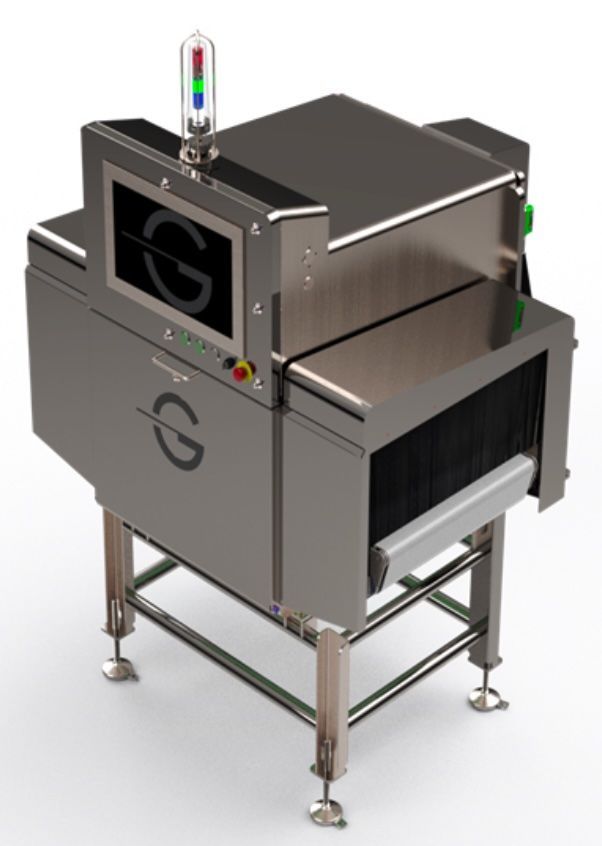
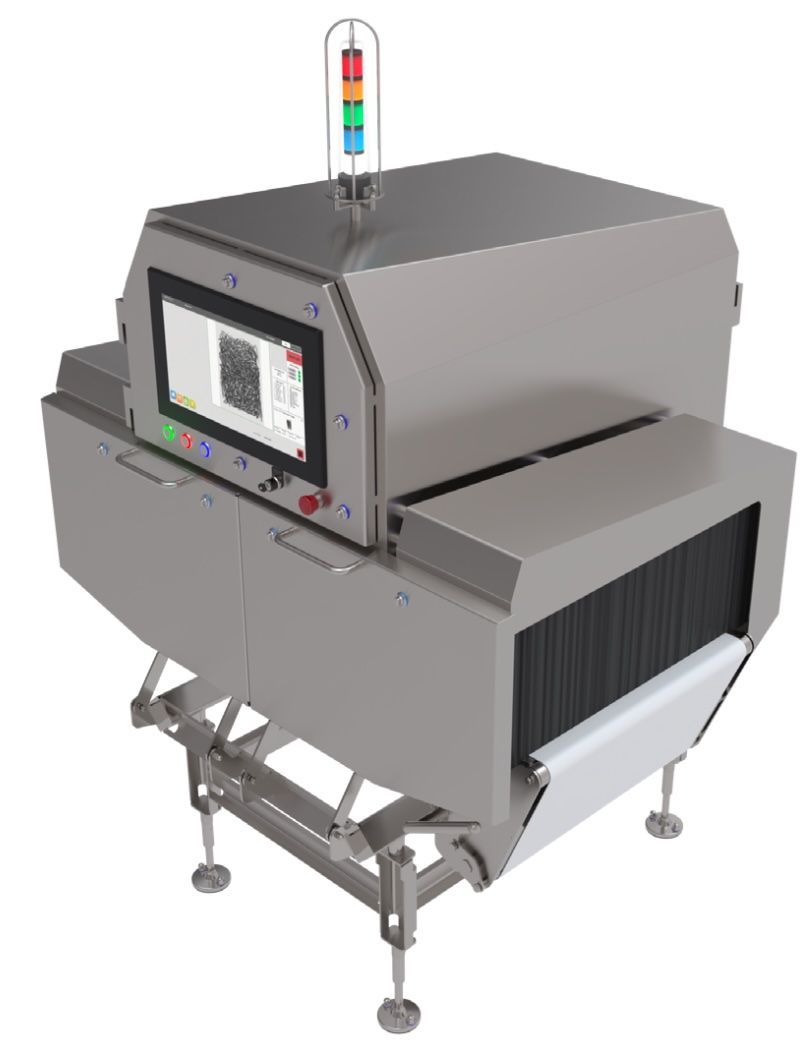
Standard HRX inspection system for larger-format food applications that need high-resolution X-ray inspection and platform connectivity.
Automated quality inspection configuration connected to Insights, monitoring, alerts, and grading-oriented workflows.
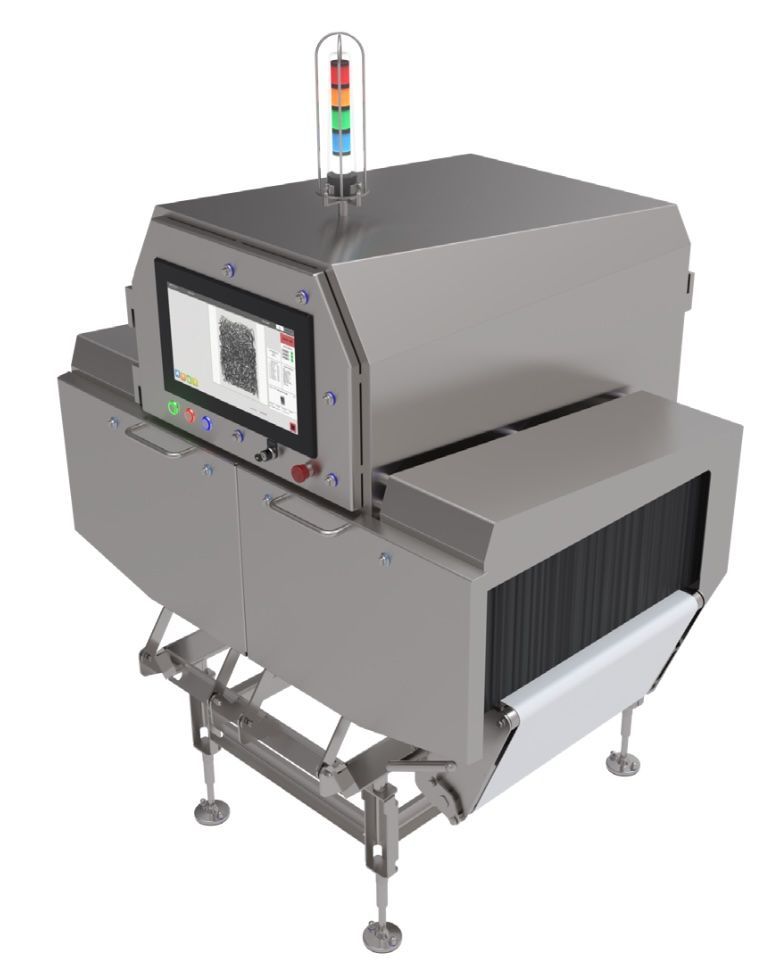
HRX configuration for automated quality checks, image analysis, and larger-format product inspection workflows.
Compact systems
These models prioritize compact footprints while still supporting traceable X-ray imaging, quality inspection, and line-speed applications.
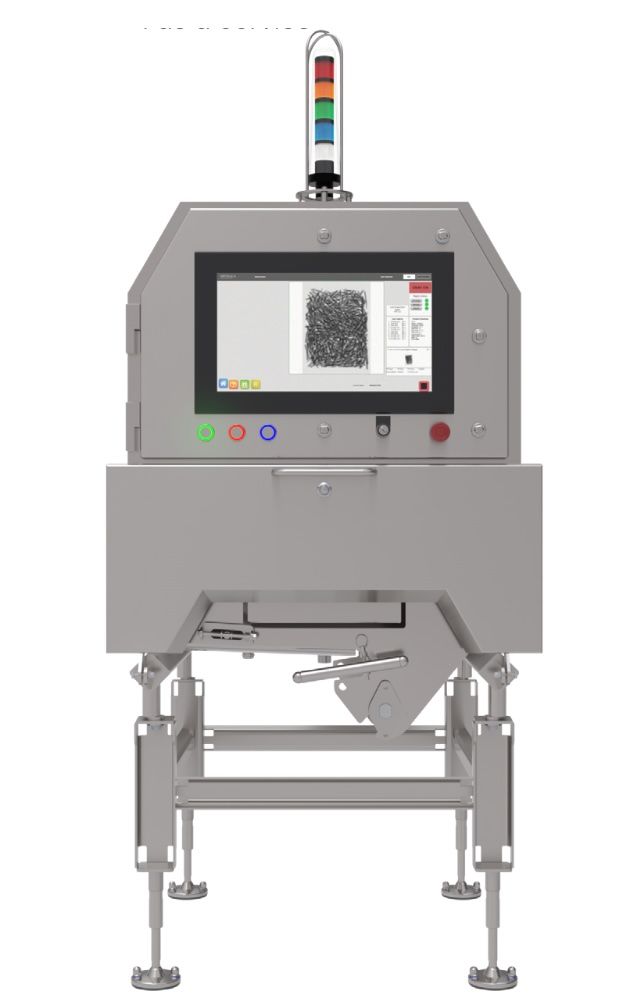
Compact HRX configuration for product-specific inspection, grading, and quality-visibility workflows.
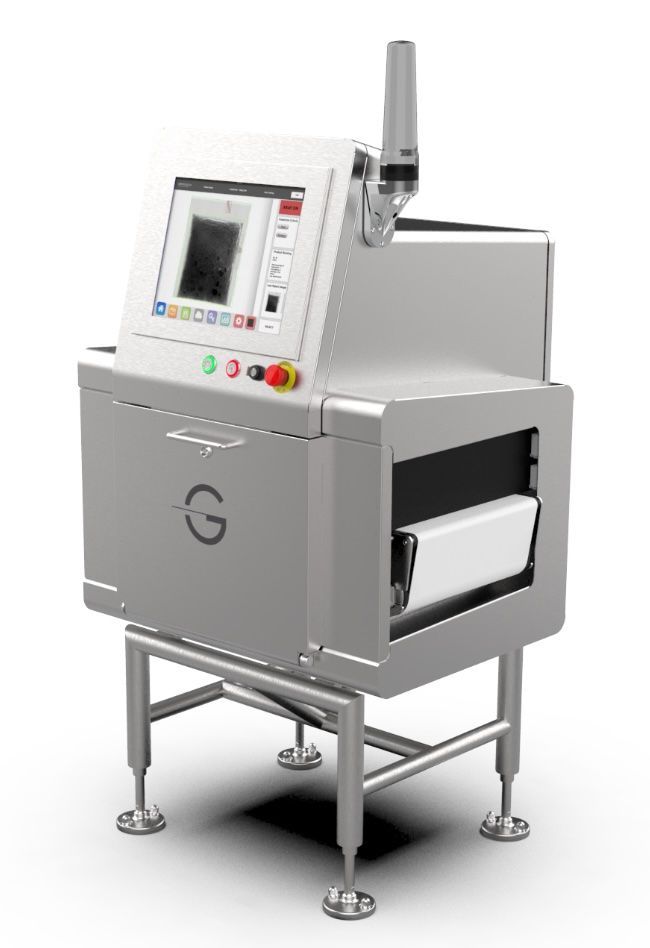
Standard compact HRX machine option for line-side X-ray inspection, image capture, and smaller-footprint lines.
Comparison
Inspection opening is the published X-ray aperture. IP69K models are hygienic washdown configurations. IP66 models are standard cabinets. Final fit still depends on the actual product, package, line speed, inspection goal, and environment.
The bars below compare published inspection opening width. Height still matters, so use the width x height label when reviewing fit.
Use this table to narrow the conversation, then open the individual PDF for dimensional drawings and full system details.
| Model | Inspection opening | Conveyor / usable width | Max line speed | Configuration | Best fit | |
|---|---|---|---|---|---|---|
| HRX660 | 639 x 254 mm | 60 x 30 in conveyor | Up to 60 m/min | Standard cabinet, IP66 | Protein, dairy blocks, packaged frozen foods, large-format products | Download HRX660 PDF |
| HRX660AQ | 596 x 225 mm | 60 x 30 in conveyor | Up to 60 m/min | Hygienic washdown cabinet, IP69K | Protein, dairy blocks, frozen packaged foods, weight intelligence, quality workflows | Download HRX660AQ PDF |
| HRX508AQ | 452 x 175 mm | 60 x 30 in conveyor | Up to 60 m/min | Hygienic washdown cabinet, IP69K | Tray-packed proteins, cheese and dairy formats, frozen packaged foods, high-noise products | Download HRX508AQ PDF |
| HRX380AQ | 307 x 100 mm | 307 mm usable inspection width | Up to 80 m/min | Hygienic washdown cabinet, IP69K | Cheese, packaged goods, component verification, seal-related inspection workflows | Download HRX380AQ PDF |
| HRX380 | 329 x 102 mm | 329 mm usable inspection width | Up to 80 m/min | Standard cabinet, IP66 | Packaged foods, cheese, compact line installations, seal and inclusion inspection | Download HRX380 PDF |
System selection
The published dimensions help narrow the range, but the final decision should still account for the actual product, package, line speed, target inspection goal, sanitation requirements, and validation plan.
Next step
A spec sheet can narrow the field. A product and line review can confirm the right inspection approach.