CASE STUDY / PACKAGE QUALITY
Separating product-in-seal events from normal package variation.
In an anonymized packaged-food application running at a reported 200 feet per minute, GreyscaleAI used application-specific AI trained on real X-ray images to distinguish product in the seal region from clean seals and normal package or fill variation.
AT A GLANCE
THE CHALLENGE
A small amount of product in the seal area could create a large downstream problem.
Product in or near a package seal can contribute to leaks, rework, hold-backs, and customer complaints. The production team needed to identify subtle seal-region events at line speed without treating normal fill, package overlap, or presentation variation as a defect.
The difference can be subtle
A small amount of product near the seal can resemble normal fill or package variation in the X-ray image.
The line keeps moving
The inspection decision must remain useful at the production speed and product presentation represented in the application.
A missed event has downstream cost
A seal-region condition can lead to rework, holds, leaks, or complaints after the package leaves the line.
WHY IT WAS HARD
The seal region was narrow, variable, and difficult to judge with fixed thresholds.
Product fill, package folds, overlap, seal geometry, orientation, density, and movement all change what appears in the X-ray image. A fixed rule can respond to normal variation as though it were a defect, or become too broad to identify the small condition that matters. The model needed to learn both confirmed product-in-seal events and the clean or normal examples that should not be rejected.
The inspection problem was not only seeing the seal region. It was deciding whether the image represented true product in the seal area or expected package and fill variation.
THE GREYSCALEAI APPROACH
Train and back-check the model with real reject and clean-seal images.
GreyscaleAI built an application-specific image model using representative production examples, including confirmed product-in-seal events, clean seals, and difficult normal variations. The model was then checked against the historical image set and the operating conditions represented in the application.
Capture the real seal region
Include production images of confirmed events, clean packages, and difficult normal variation.
Label the distinction
Separate product-in-seal events from expected fill, overlap, package structure, and presentation.
Train and back-check
Evaluate model decisions against known outcomes and the historical image set.
Validate under production conditions
Confirm performance for the product, package, seal geometry, line speed, and acceptance criteria in scope.
WHAT THE SYSTEM ANALYZED
The decision came from comparisons across the seal region.
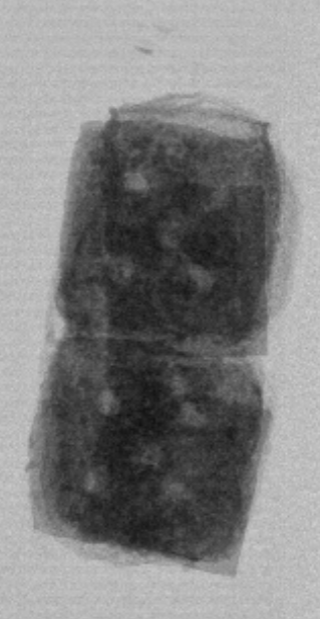
The model compared the image pattern in the seal region with confirmed product-in-seal events, clean-seal references, and normal package or fill variation. The examples below show the evidence used to distinguish an event that needed review from expected production variation.
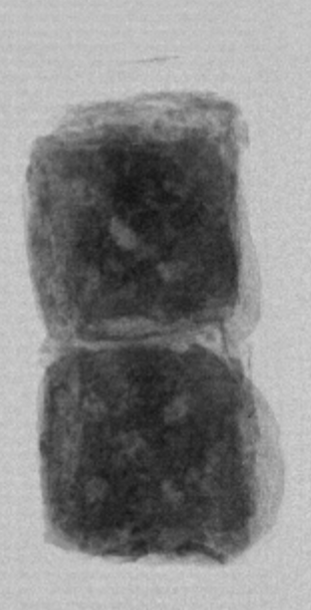 Product-in-seal example
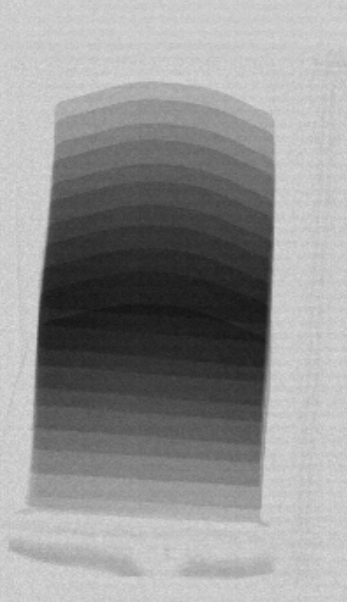 Clean-seal reference
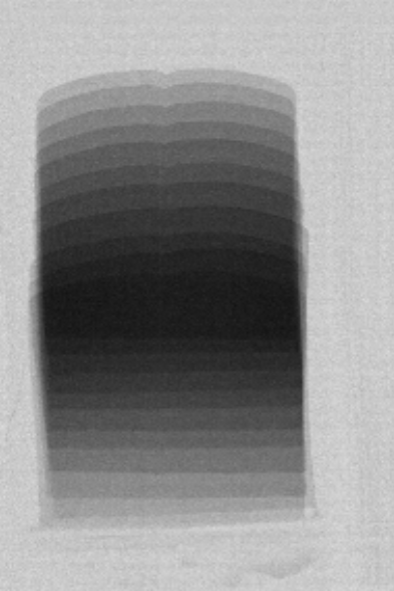 Normal package variation
INSIGHTS VISIBILITY
A seal-region event becomes a reviewable QA record.
In GreyscaleAI Insights, authorized users can open the X-ray image, review the product-in-seal classification, and see available product, package, line, machine, time, and review-status context.
ILLUSTRATIVE RECORD, NOT CUSTOMER DATA
Illustrative interface content. Fields shown are representative of the review workflow and are not customer data.
REPORTED OUTCOME
Fewer missed seal-region events and less downstream rework were reported.
The anonymized application reported fewer missed product-in-seal events, fewer complaint and hold-back situations, and less rework and manual effort than the prior inspection approach. The proof point is that application-specific image analysis supported more consistent review of subtle seal-region conditions at production speed, not that every package format can be inspected the same way.
Reported production line speed
Reported inspection outcome
Reported process outcome
Performance is application-specific. Product density, fill, package material, seal geometry, overlap, presentation, line speed, image contrast, and acceptance criteria must be validated for each application.
WHERE THIS PROOF APPLIES
Use this case study when a subtle package condition creates an expensive operating problem.
This story is most relevant when product can enter a package seal area and create leakage risk, rework, holds, or complaints, but the image distinction between a true event and normal variation is difficult. It supports a discussion about product-specific AI, image-backed QA review, and application validation. It does not establish complete seal-integrity inspection or guaranteed performance for every product and package.
QA
Review the X-ray evidence behind a seal-region event and support disposition decisions.
Packaging operations
Investigate whether product-in-seal events are isolated or recurring.
Quality leadership
Compare package-quality event patterns across products, lines, shifts, or time windows.
NEXT STEP
Bring the product, package, seal region, and line conditions.
Share the product format, package material, seal geometry, line speed, known defect examples, clean comparison product, and current QA workflow. GreyscaleAI can help define the image-review and validation plan for the application.